If you or a loved one is involved in a criminal case, the word “guilty” is often the most frightening thing you can hear. However, in the American legal system, a guilty plea or a “guilty” verdict from a jury is not the end of the story. It is simply the end of the first chapter. The next major step is the sentencing hearing.
This is the formal court session where a judge decides the punishment for the crime. It is a very serious event that can change a person’s life forever. For many people, walking into a courtroom for sentencing feels like stepping into the unknown. They worry about how long the hearing will last, who will speak, and most importantly, what the final decision will be.
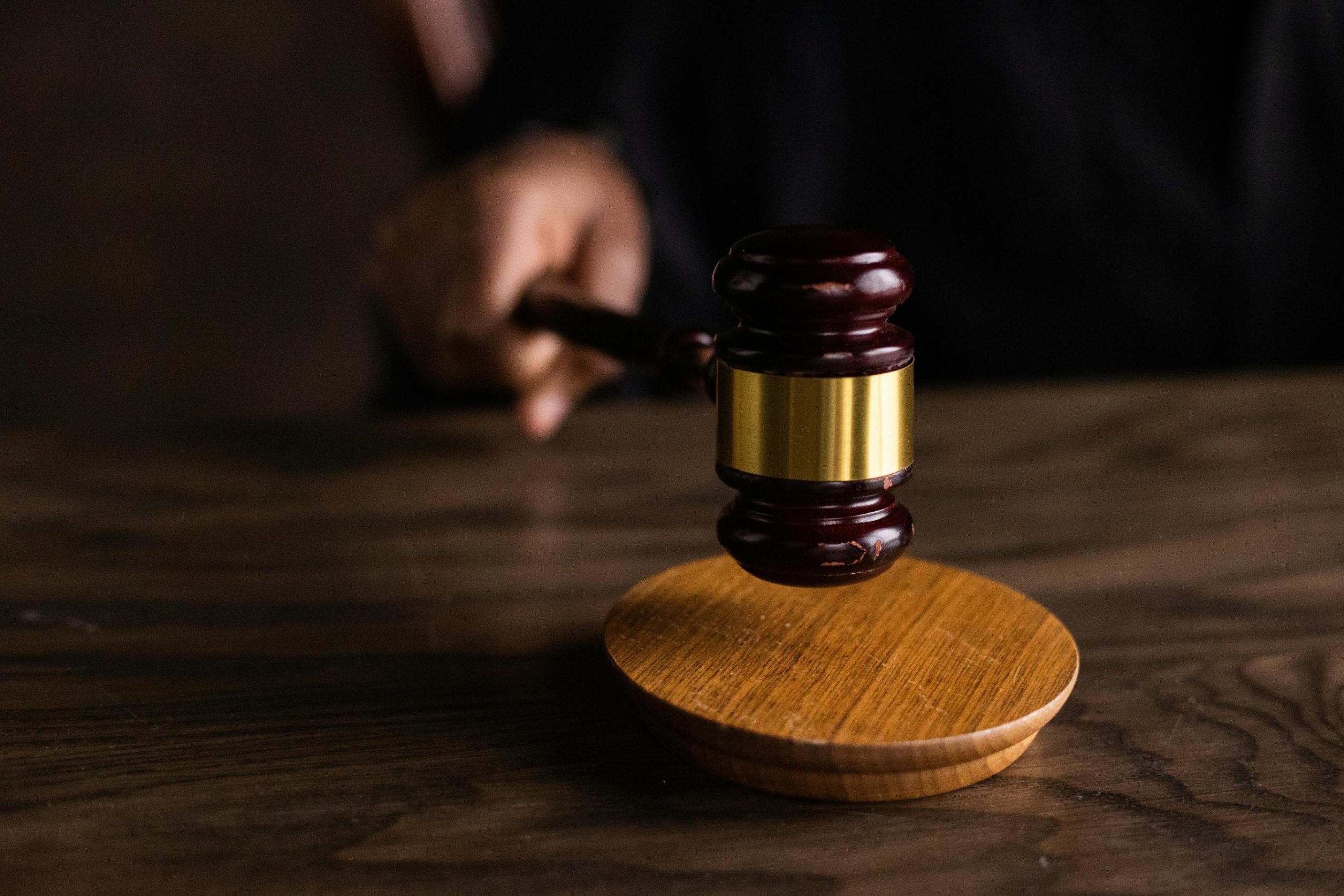
In this guide, we are going to break down the sentencing process into simple steps. We will look at how a judge makes their decision, what documents are used, and what you can do to prepare for this big day. By the end of this article, you will have a clear picture of what happens when the judge picks up the gavel to deliver a sentence.
1. The Purpose of the Sentencing Hearing
The trial is about “did they do it?” The sentencing hearing is about “what should happen now?”
A judge has four main goals when they decide on a sentence:
- Retribution: This is the idea that the punishment should fit the crime. It is about justice for the community.
- Deterrence: This means the punishment should be strong enough to stop the person (and others in the community) from committing the crime again.
- Rehabilitation: This is about helping the person change. It might include things like drug treatment or counseling so they can return to society as a better person.
- Incapacitation: This is about keeping the community safe by putting someone in jail or prison so they cannot hurt anyone else.
2. The Secret Weapon: The Pre-Sentence Report (PSR)

In most cases, the sentencing hearing doesn’t happen on the same day as the trial. There is usually a gap of several weeks. During this time, a “Probation Officer” is assigned to the case to write a Pre-Sentence Report.
This document is the most important piece of paper in the entire sentencing process. The judge will read this report long before they walk into the courtroom.
- The Investigation: The probation officer will interview the defendant. They will ask about their childhood, their job history, their health, and their criminal record.
- The Victim’s Side: They will also contact the victims of the crime to see how their lives have been affected.
- The Recommendation: At the end of the report, the probation officer will suggest a specific punishment to the judge based on state or federal guidelines.
3. Who is in the Courtroom?
When you walk into the courtroom for a sentencing hearing, you will see several key players:
- The Judge: They are the “referee” and the final decision-maker. Unlike the trial, there is almost never a jury at a sentencing hearing.
- The Prosecutor: Their job is to argue for a tougher sentence. They will talk about how bad the crime was and why the defendant deserves a high punishment.
- The Defense Attorney: Their job is to highlight the defendant’s good qualities. They will argue for a lighter sentence, such as probation or a shorter jail term.
- The Court Reporter: They type every single word spoken so there is an official record of the hearing.
- The Victim and the Public: Sentencing hearings are usually open to the public. The family of the defendant and the victims are often in the gallery.
4. Step-by-Step: What Happens During the Hearing?
A sentencing hearing usually follows a specific order:
A. Opening Remarks
The judge will start by identifying the case and making sure everyone has read the Pre-Sentence Report. If there are any mistakes in the report (like a wrong date or a misspelled name), this is the time when the lawyers will point them out.
B. The Prosecutor’s Argument
The prosecutor speaks first. They might bring in witnesses or show pictures of the crime. They want the judge to see the “gravity” of the offense. They will often ask for the maximum punishment allowed by law.
C. Victim Impact Statements
This is often the most emotional part of the hearing. The person who was hurt by the crime (the victim) has the right to stand up and tell the judge how they feel. They might talk about their physical pain, their lost money, or their emotional trauma.
D. The Defense’s Argument
Now, it’s the defense lawyer’s turn. They will present “mitigating factors.” These are reasons why the judge should be lenient. They might point out that the defendant has no prior criminal record, that they have a steady job, or that they are a good parent.
5. The “Right of Allocution”: The Defendant’s Turn to Speak
This is a very important moment. The judge will ask the defendant, “Is there anything you would like to say before I pass sentence?” This is called the Right of Allocution.
- To Speak or Not to Speak: The defendant does not have to speak. However, if they do, it is a chance to show “remorse” (true sadness for what they did).
- What to Say: A good statement is usually short and honest. It should include an apology to the victims and a plan for how the person will do better in the future.
- What Not to Say: This is not the time to argue that the jury was wrong or to blame other people. If a defendant sounds angry or makes excuses, the judge might give them a tougher sentence.
6. Aggravating vs. Mitigating Factors
The judge weighs the case like a scale. On one side are Aggravating Factors (things that make the crime worse). On the other side are Mitigating Factors (things that make the person more deserving of mercy).
| Aggravating Factors (Tougher Sentence) | Mitigating Factors (Lighter Sentence) |
| Use of a weapon during the crime | No prior criminal history |
| The victim was vulnerable (child or elderly) | Acting under extreme stress or pressure |
| Being the “leader” of a criminal group | Taking responsibility early (pleading guilty) |
| Lack of remorse | Showing a desire for treatment or help |
7. The Judge’s Final Decision: Passing Sentence
After everyone has spoken, the judge will take a moment to look at their notes. Then, they will announce the sentence.
Sentences can include:
- Fines: Paying money to the court.
- Restitution: Paying money directly to the victim to cover their losses.
- Probation: Staying in the community under the supervision of an officer instead of going to jail.
- Community Service: Working for free for a charity or a city department.
- Incarceration: Spending time in a local jail (usually for short sentences) or a state/federal prison (for longer sentences).
8. The “Judgment of Conviction” and Appeals
Once the judge speaks the sentence, it becomes official. The court will file a document called the “Judgment of Conviction.”
If the defendant or their lawyer believes the judge made a legal mistake (like using a law that doesn’t apply), they may have the right to appeal. This means asking a higher court to look at the case and see if the sentence was fair. However, an appeal is not a “re-do” of the trial. It is only to check for legal errors.
9. Preparing for the Day of Court
If you are a defendant heading into a sentencing hearing, how you look and act matters. The judge is a human being, and they are looking for signs of respect and responsibility.
- Dress Appropriately: You should dress like you are going to a job interview or a church service. This shows the judge that you take the process seriously.
- Be Punctual: Arriving late to your own sentencing is a very bad signal. It suggests you don’t respect the court’s time.
- Behave in the Gallery: If you are a family member, stay quiet. Outbursts, crying loudly, or making faces at the prosecutor can actually hurt the defendant’s chances of a lighter sentence.
10. Life After the Hearing

For many, the end of the sentencing hearing is a moment of relief because the “waiting” is finally over. Even if the sentence is tough, the person now knows exactly what they have to do to move forward.
Whether the sentence is probation or prison, the goal is to complete the requirements and eventually close this chapter of life. A sentencing hearing is a reminder that everyone is responsible for their actions, but it is also a place where the law looks for a path toward justice and, hopefully, a better future.
Conclusion
A sentencing hearing is one of the most powerful moments in the American legal system. It is the bridge between a crime and a person’s future. While it can be a scary and emotional day, understanding the process—from the Pre-Sentence Report to the final Judgment—can help take away some of the fear of the unknown.
The judge’s job is a difficult balance. They must protect the community, respect the victims, and consider the humanity of the person being sentenced. By knowing what to expect, you can navigate this difficult time with more confidence and dignity.